Landlord’s Guide to Flooring in a Rental Property
Which Flooring Options Work Best
There are different flooring options available for rental properties. But as a landlord, you have to make your choice wisely. If you make the right choice, you are sure of maximizing your income and also reducing expenses.


Things to Consider Before Choosing a Floor for Your Rental Property
Some landlords think that the favorable flooring option for their rental property is the inexpensive one. However, there are several things that you should consider before you decide on the best flooring option.
If you fail to do this, you may choose a floor that is inappropriate for your property.
- Type of Tenants
- Price
- Durability
- Installation
- Pets
- Maintenance
- Aesthetics
- Safety and Health
- The Room's Function
What type of tenant are you expecting in your rental property? Are your rents high, average, or low? Is it a high-end property in an urban area? Your answers will help you choose the best floor.
The cost of purchasing and maintaining the floors also matters. It also depends on your budget and how much the rental property generates. If the flooring option is long-lasting, it may also affect the price.
You will want floors that can withstand rough treatment from tenants, visitors, and furniture. Not all flooring options can endure high traffic from renters.
The installation of the floors is also essential. Is the floor easy or difficult to install? How long will it take to perform the installation? How much will the installation cost? Can you easily find professionals who will install the floor? All these are questions you should answer.
Will your rental property support pet owners? If it will, is the flooring option pet-friendly?
How demanding is the maintenance of the floors? Will you have to replace part or all of it if any damage occurs? Can tenants maintain the flooring option you choose?
Is the flooring option beautiful? Can it improve your rental property’s value? Can it attract renters who are willing to pay higher rents for the property?
The floors of your rental property should be safe. It should not be the type that increases the risk of trips and falls or becomes slippery when wet. Also, the floors should not contain toxic materials or serve as a hiding place for pests and bacteria.
The materials you use for flooring each room should also support its function. For instance, it would be inappropriate to use wooden floors in the bathroom.

Flooring Options for Rental Properties
Tile
Tile floors are versatile and made from various materials such as ceramics, stones, or porcelain. You can have them in different shapes, colors, styles, and prices.
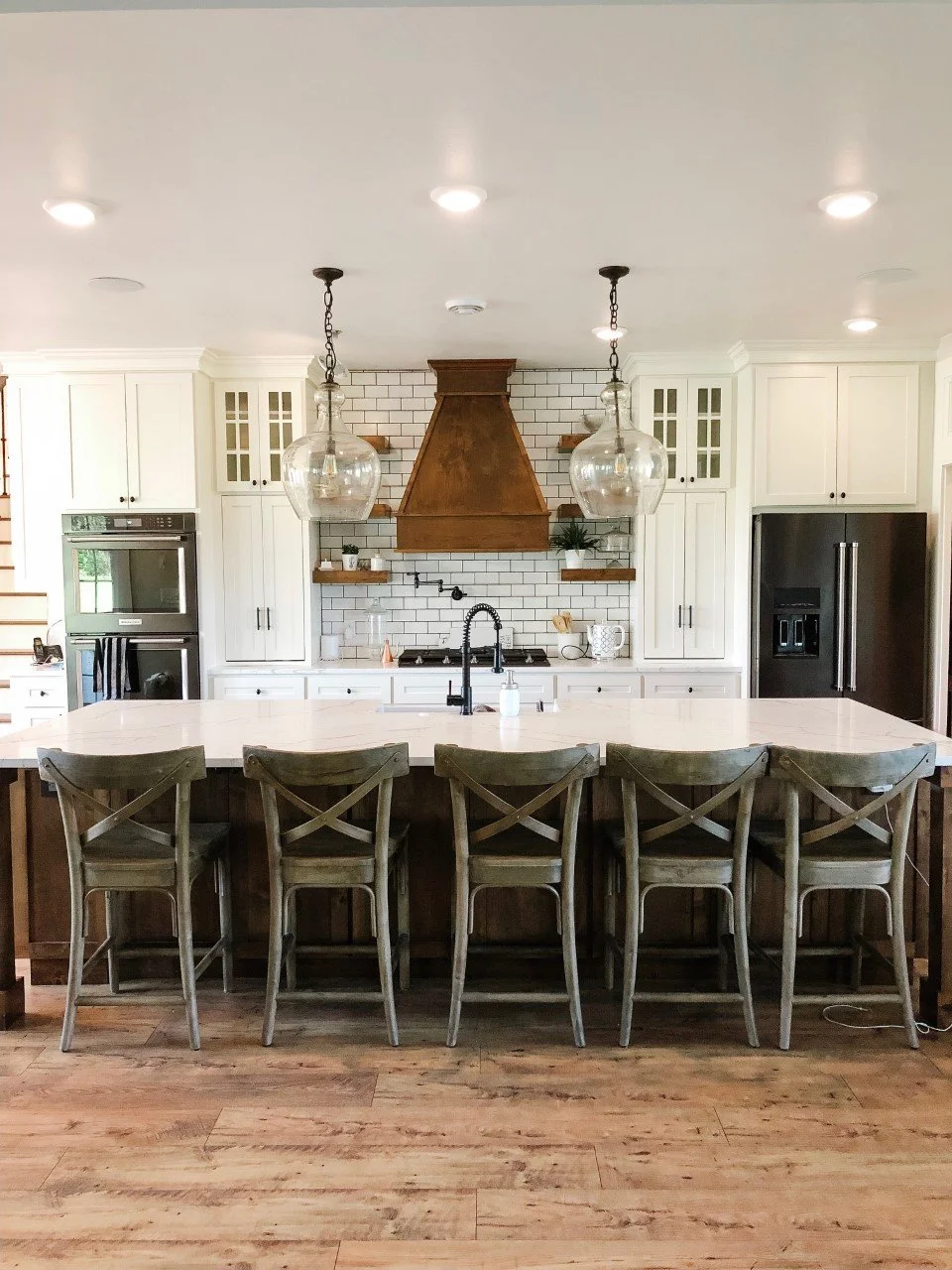
Some of them come in designs that look like wood. They are waterproof, scratchproof, easy to clean, and highly durable. For these reasons, tile floors are suitable for high-traffic areas, kitchens, and bathrooms.
However, tile floors are tough to install. They can crack under heavy impact. Also, they become cold and slippery when wet.
Vinyl
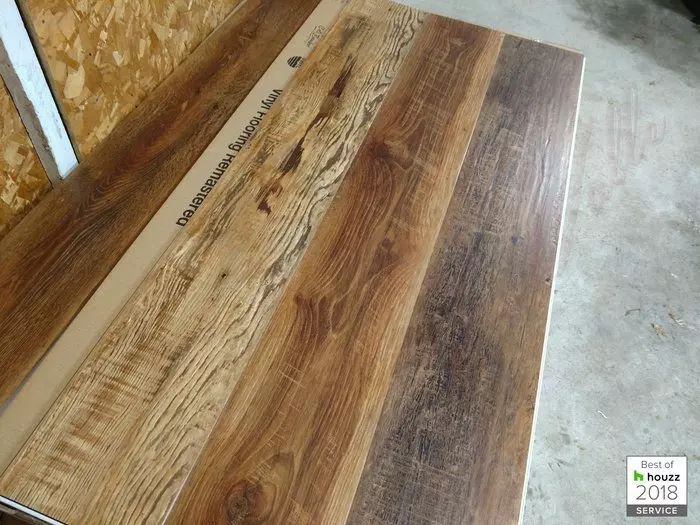
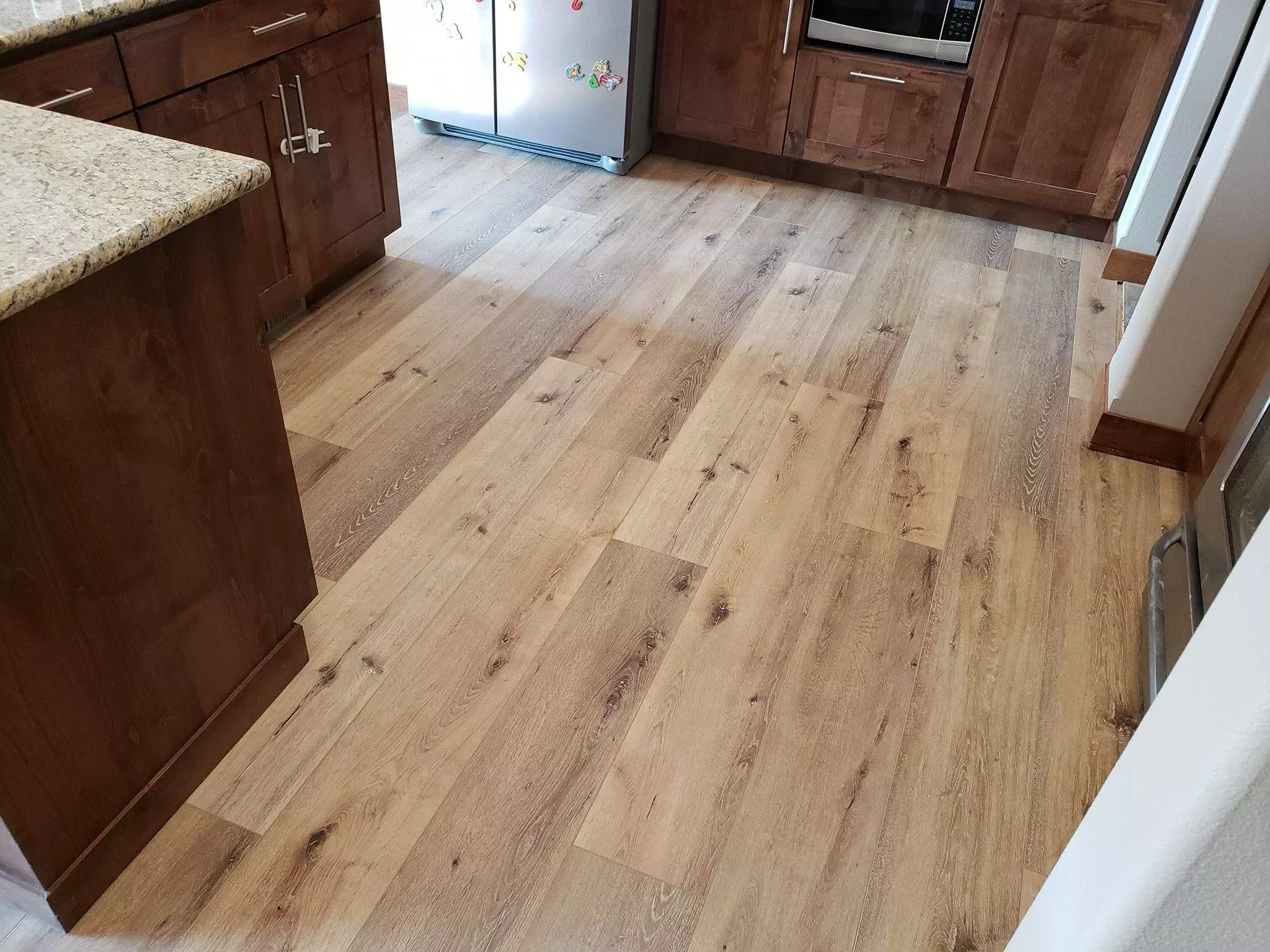
Vinyl is an affordable flooring option that is common in rental properties. It has the appearance of stone, tile, or wooden floors, but it is low-maintenance and cheaper. Vinyl floors are soft, easy to install, noise-free, water-resistant, and easy to clean. They are appropriate for kitchens and bathrooms.
However, vinyl floors do not add value to a property. If you install them in an area that has access to sunlight, they will fade over time. Also, vinyl floors are difficult to remove after installation.
Hardwood
Hardwood floors are luxury options for high-end rental properties. They add a lot of value to a rental property. Hardwood comes in various designs depending on the tree that was used in the production. Also, they are durable, long-lasting, and suitable for bedrooms, living rooms, and dining.
However, hardwoods are not noise-proof, scratchproof, or dent-proof. They are not appropriate for renters who own pets. Also, hardwood is not water-resistant and is vulnerable to humidity.
Laminate
These are synthetic floors that look like hardwood or stone floors. Laminates are affordable and scratch-proof. Some laminate floors are also resistant to fading following exposure to sunlight. You can use them almost in any room where moisture is not a problem.
However, laminate floors can pop up due to poor installation. Also, you cannot refinish them like hardwood.
Carpet
Carpet floors come in various designs, colors, and patterns. They are cheap and help to hide some defects on the floors. Carpets warm the home, thereby reducing energy consumption. Also, they absorb noise and feel soft.
However, carpets can cause allergies. They trap allergens, dust, dirt, odor, and bacteria. When it stains, cleaning can become difficult. Also, if any part tears, you will have to replace the whole carpet.
The Bottom Line
The process of choosing the best floor for your rental property differs from that of your home. Here, you have to consider several needs of various potential renters before settling on a flooring option. When you answer the essential questions, professionals can help you select the appropriate floor for your rental property.
CLIENT TESTIMONIAL
“The task that LaValle Flooring took on was huge. The floors throughout the home needed all kinds of care in order to put down new flooring. They did so with great care and my home is reflective of their hard work. It is truly beautiful and I’m very glad I chose to have them do the work.”
DEANNE F. | GOOGLE REVIEW |
Fill This Form Below
If no form appears, click on the screen, sometimes it takes a bit for it to load 😅
"*" indicates required fields